Research
Practical research on AI coding, agent workflows, and software delivery. Methods, evidence, and lessons for teams working in existing codebases.
Articles
673 articlesNo articles match your search.
 Choose an AI Code Review Workflow
 Install Codex CLI for Team Workflows
 Use Cursor MCP Safely on Teams
 Use Figma MCP in Claude Code
- AI Code Assistant Training Plan
 Claude Code MCP Server Ownership
 Run Codex Agents With Team Guardrails
 Set Up a Cursor MCP Server
 Train Teams on MCP Integrations
 Codex CLI Workflows for Engineering Teams
 Set a Claude Code MCP Server Boundary
 Use Figma MCP in Cursor Safely
 AI Code Review Receipts for Teams
 Claude Code Subagents for Team Workflows
 Codex CLI Tool for Team Workflows
 Cursor Code Review Workflows for Teams
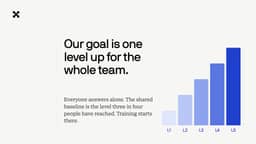 AI coding maturity: five levels and where your team stands
 Evaluate AI Coding Agents as a Team
 Claude Code Skills for Team Workflows
 OpenAI Codex CLI Team Workflow
 Using Cursor MCP Servers Safely
- AI Code Review With Receipts
- Claude Code Review Workflow
 Codex CLI with GitHub Repos
- Cursor MCP Support for Team Workflows
- AI Software Development Teams Can Trust
 Add MCP to Codex CLI Workflows
- Codex CLI Workflows from GitHub
 Cursor Agent Conventions for Teams
- Set Up Claude Code MCP Safely
- Cursor AI for Team Workflows
 jev-mcp Packages Agent Judgments as Tools
- typesafe-mcp Adds Typed Agent Judgments
 Living docs in ChatGPT Pages: accuracy rules for agent edits
- OpenAI Agents API computer use: risk controls for UI agents
- Budgeting ChatGPT Pro 500 seats for a developer team
- Getting ready for ChatGPT collaborative slides: a team plan
- Governing ChatGPT dots agents: permissions and a first pilot
- ChatGPT meeting notes: a consent and data policy for teams
- ChatGPT profile visibility: what workspace admins should decide
- ChatGPT Sites for internal apps: access, data and ownership
- Adopting ChatGPT Space: ownership and hygiene for team knowledge
- Codex automatic code review in your team review policy
- Codex CLI /agents and worktrees: a review load your team can hold
 Shared Codex Cloud environments as a team governance control
- Codex Security Cloud findings: who owns the fix?
- OpenAI Decisions API as a control point for agent workflows
 A GPT-6.1 Sol model policy: default, escalate, measure
 Internal tools as ChatGPT plugin extensions: who approves what
- MCP Events and unattended agents: guardrails before rollout
 OpenAI agents on AWS: governing Bedrock Managed Agents
- Consolidating AI tool spend with the OpenAI Marketplace
 OpenAI Private Intelligence: a data decision for regulated teams
- Rolling out ChatGPT in Slack and Microsoft Teams with approvals
 Sign in with ChatGPT at work: identity and AI spend policy
- Vetting ChatGPT plugins before your team installs them
- When Codex Ultrafast is worth paying for in a team
- Who owns a ChatGPT team task? A rollout guide
 Agents API computer use: build a browser agent step by step
 Bedrock Managed Agents OpenAI vs the Agents API
 Build a ChatGPT plugin extension: sidebar, panels and file viewers
 ChatGPT collaborative slides for sprint and incident reviews
- ChatGPT in Slack: turn a bug thread into a pull request
 ChatGPT Meetings plugin: from design review to Codex tasks
- ChatGPT Pages: build a self-updating engineering status page
 ChatGPT Plugin Creator: from idea to a submitted plugin
 ChatGPT Pro 500 for Codex: Pro 100, 200 and 500 compared
- ChatGPT shareable profiles: Codex usage, Sites and skills
 ChatGPT Sites plugins: deploy a Codex project with live data
 ChatGPT Space for Codex users: setup, sharing and context
 ChatGPT team tasks for a weekly engineering update
 Codex CLI Update: Voice, the /agents View, Resume and Worktrees
 Codex Cloud Setup: Reusable Environments and Cloud Tasks
- Codex Code Review in the ChatGPT Desktop App: Setup and Use
 Codex Security Cloud setup: connect GitHub and run a first scan
 GPT-6.1 Sol pricing, model id, and Sol vs Astra in Codex
 MCP Events: build an event-emitting MCP server for ChatGPT
 OpenAI Decisions API: where Luna fits in an agent pipeline
 OpenAI dots for developers: bug reports to tested PRs
 OpenAI Marketplace partners for engineering teams
 OpenAI Private Intelligence: set up Private Safety Processing
 OpenAI Ultrafast in Codex and the API: plans, setup, cost
 Sign in with ChatGPT: use your plan in Devin, Warp and T3
- json-render Adds AI Component Selection
- fast-jev-compaction Replaces Summaries With Verbatim Context
- jev-ultrafast Narrows Browser Agent Actions
- Harness Design for Coding Agents, Measured
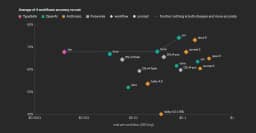 Jev: probabilistic decisions for agent harnesses
 claude-code v2.1.268 Fixes Gateway Edges
 gpty Puts Agent Terminals in Godot
 graphify-csharp Gives Agents C# Find Usages
 holaOS vs Claude Code and Codex
 KyttoMCP Manages MCP Server Configs
 Usero MCP Gives Agents User Feedback
 homestead-memory Logs Claude Tool Calls
 JavaScript Grids Built for Coding Agents
 MaruCheck Checks AI-Generated Code
 nightshift Orchestrates GitHub Issues With DAGs
 Security Cards Reduce Insecure AI Code
 Symphony Maps AI Coding Agents
 From AI-generated code to a reviewable change
 How to measure an AI workflow before scaling it
 Google DeepMind Ships WeatherNext 3
 oto-dock Runs Codex Agents on Your Server
 Remoot Runs Cursor Agent From Your Phone
 Simon Willison’s Browser .blend Viewer
 Why Human Syntax Breaks LLMs
- Felan Makes Coding Agents Spend Less
- i-have-adhd Makes Agents Answer First
 Remarc Gives Coding Agents Contextual Feedback
 crew Lets Claude, Codex, and opencode Talk
- DashClaw Adds Remote Approvals to Agents
 Ditch Tracks Multiple Codex Agents
- How Coding Agents Choose Tools
 Keyclasp Keeps Tokens Out of Prompts
- A Cursor Workshop on Agent PRs
 coop Runs Codex and Claude Code in VMs
- MaskShift: Zero-Dependency Coding Agent Harness
- OpenAI Monitors Coding Agents for Misalignment
- Simon Willison on OpenAI’s Agentic Research Acceleration
 Cursor Self-Hosted Machines Run Agents Locally
- fast-cutvid Cuts Video for Agents
- okf-agent-memory Adds Git-Native Agent Memory
 Spotify Portal Cut Claude Tokens 90%
 Why Coding Agents Fake Completion
 Ardent Ships a Code-First Office Agent
- Engram Shares AI Agent Runbooks via MCP
- Profound Academy’s Hands-On Course Agent
- Rubato_Device Turns AI Waits Into Breaks
 Show HN: APIMatic’s Context Registry for Coding Agents
 17K Runs of Claude, Codex, and Cursor
 Adchestra’s Google Ads MCP Writes Campaigns
- Claude Ported a 1993 Amiga Game
 GPT-6 Astra and Coding Agents
 Grep Beats LSP for Coding Agents?
- Kit: Claude Code but Concise
 Git Hijack Lets Repos Run Code in Agents
- price Tracks LLM Inference Costs
- Sensez Catches Agent Code Smells
 spire-agent Plays Slay the Spire
 Supercov Brings MC/DC Coverage to Coding Agents
- Manzanas Leases iOS Simulators to Agents
- Shed Manages Git for Terminal Agents
 Simon Willison on Paint.NET’s AI Direct2D Rewrite
 Supafork Shares Agent Sessions
 Why ChatGPT/Codex Bundles LibreOffice
 Blume Turns Agent Corrections Into Rules
 Breaking Claude Code Opus 5 Auto Mode
 Codex Skin Themes the Codex CLI
 Cursor Starts Cloud Agents Without Repos
 Decispher Gives Coding Agents Memory
- rta-smriti-brain Keeps Agent Memory Local
 Leadcode Isolates Client Coding Accounts
 MaCcyP Adds a Clipboard Agents View
 ShevtoneAudio Orchestrator Turns MIDI Into Orchestration
 Skills MCP Searches Thousands of Agent Skills
- DeepSeekGUI Brings Harness to Windows
- rysh-cli-code Connects Codex Agents
 stop-that-shit Stops Agent Hashes
 VibeGuard Security Linting for AI Code
 AgentCloud Gives Cloud Agents iOS Simulators
 Coordination Layer for Coding Agents
 dmx MCP Server Adds Gated Agent Loops
- grith Supervises Coding Agents on Linux
 Rundown Summarizes Hacker News with Codex
 concord-mcp Lets Coding Agents Talk
 Experiential’s Open Model Gateway for Agents
 Harden.run Beats GPT5.5-xhigh on Agent Guards
 Open Session’s Open-Source Cloud Agent Orchestrator
 Simon Willison on Breaking Claude Code Auto Mode
 Z Brings Minimal Agentic Coding to Terminals
 Code Review Habits for AI Code
 TaskShell Bridges AI Coding Agents
 Termux-Dev Brings Agents to Android
 The $40 Open-Source Codex Micro
 CoolPlugz Turns Jira Tickets Into PRs
 Cursor Now Runs on iPad
- Google AI Adds Search Study Tools
- Google DeepMind Explains Full-Stack AI
 OpenAI Restores Codex’s 5-Hour Limit
 Codex Opens Its Agent Harness
- Create a Cursor Plugin You Can Install
 Prism Reviewer Action Splits Code Review
 Sloppie Is a Linux Agentic Coding Environment
 Will AI Reliance Collapse Coding Expertise?
 Continue Is Archived: What Replaces It
 Hands Lets MCP Click Real Chrome
 Meetless Agent Tracks Coding Agents
- Simon Willison on Coding Agent Review
 Zuse Runs 20 Linear Issues in Worktrees
 A Week Choosing Codex Over Claude
 Cursor Origin Hosts Code Repos
 fx Is a Tiny Native Coding Agent
 New MCP Roadmap for Agent Integrations
 TechSkills Gives Coding Agents Skill Files
 claude-code 2.1.238 Adds Header Helpers
 Codex CLI 0.149.0 Adds Agent Dashboard
 desktop-vibe-fly Sniffs Out Vibe Code
 Heimdall Adds Trust Verdicts to Agent Memory
 Proliferate Is a Self-Hostable AI IDE
 Show HN: Frugal Tokens Shows Agent Costs
 Codex on AWS Bedrock 10x Charges
 Cursor Cloud Agents Get Longer Leashes
 Huzzah Makes AI Coding Less Chatty
 machine0 Gives Coding Agents Persistent Cloud VMs
 Speko Launches Voice AI Router
 claude-code 2.1.229 Repairs Remote Sessions
- Cursor Cloud Agents Start Faster With Builds
 Does AI Coding Feel Like Leadership?
 neal Runs Claude and Codex Together
 Remarc: contextual feedback for coding agents
 Waku Is a Native Coding-Agent App
 Agentic AI workshop cost and curriculum, explained plainly
 Agentic AI workshop for beginners with no coding experience
 Agentic AI workshop for developers using LangChain
 Agentic AI workshop for enterprise architects
 Agentic AI workshop for marketing teams in Austin
 Agentic coding is a review problem
 Agentic coding workshop for senior developers
- AI code review that engineers stop ignoring
 AI coding workshops for non-technical managers
 Best AI coding training for career growth
- Best AI coding training for remote teams under $3000
 Best practices for running OpenAI Codex with a team
 Claude Code workshop vs GitHub Copilot training
 Compare AI coding workshops from OpenAI, Google, and Microsoft
 Finding an agentic AI workshop near me for startups
 How to become an AI coding expert in six months
 How to learn AI coding with Claude for free
 How to run a hHands-on agentic AI workshop with real projects
 The best AI coding training for Python developers
 What changes in AI software development, and what does not
 Which AI coding workshop is best for a budget of $2000
 A Claude CLI workflow for tasks longer than an hour
 A CLI workflow that survives a real working day
 A Codex CLI workflow that holds up on a Tuesday
 A Codex workflow that survives contact with a real repo
- Agent teams in Codex and when the extra agents pay off
 agentic-ship Runs Lovable-Style Builds on Your Agent
 AI code governance without a policy nobody reads
 AI coding assistant governance without a 40-page policy
 Artifex Gives Agents a Media Graph
 Brainless GitHub panels and the trust they borrow
 Brainless UI, and why agents work better against it
 Choosing between Codex models on real work
 Claude Code hooks that earn their place in a repo
 Claude Code skills, and when they beat a prompt
 Claude Code subagents are a context tool
 Claude Code vs GitHub Copilot for engineering teams
 cliclaw Runs Coding CLIs From Telegram
 code review tools with team governance and policies
- Codex agent teams and the review bottleneck
 Codex agents, and when they stop helping
 Codex AI training that changes what a team merges
 Codex cls, and why clearing context is a real skill
 Codex delegate patterns that survive a real codebase
 Codex GitHub reviews without the noise
 Codex MCP servers, and when they are worth the tokens
 Codex opt out of training, and what to verify
 Codex subagents and skills, honestly compared
- Codex subagents: what they buy you
 Codex training that survives contact with your repo
 Codex vs Claude Code, What Teams Running Both Actually Say
 Cursor agents and the work they are actually good at
 Cursor AI, what it is good at and where it breaks
 Cursor MCP servers that are worth the context
 Cursor MCP support and the Model Context Protocol in practice
 Cursor skills your team should build first
 Designing a Codex agent team for one feature
- Four Codex workflows that hold up under load
- Getting a Claude Code review worth reading
 Governance for AI-generated code that engineers accept
 How .cursor/rules works, past the Cursor rules documentation
 How agents in Codex actually decide what to do
 How Codex works, and where it stops working
 How MCP servers actually behave in a real repo
 How to brief a Cursor agent properly
 How to merge AI code safely on a busy team
 How to pick between Codex courses for a working team
 Looking for Codex CLI? Start with a bounded task
 Making agent-readable media assets in a real codebase
- Maximizing Claude Code Sessions
 Mole Puts a Budget on Terminal Research
 Offsite training for engineering teams, done properly
 Onsite programming sessions that survive contact with agents
 OpenKnowledge vs Obsidian for a team Claude can read
 Reading the Anthropic Claude Code hooks documentation properly
 Rogier Muller, AI coding agent trainer in Amsterdam
 Rolling out Codex to teams without losing the review gate
 Running a Claude Code security review that finds real bugs
 Running a Codex team of agents without a mess
 Running an agent team in Codex without chaos
 Running Codex across a team without chaos
 Running Codex team agents without stepping on each other
 Searched curs or and meant Cursor? Start here
 self-bench Turns Private PRs Into Evals
 Setting a codex SLI your team will actually watch
 Setting up Codex CLI MCP without regret
 Setting up one Codex team agent everyone shares
 Standardising Codex agents across an engineering team
 The best MCP servers for Claude Code are the few you keep
- The Claude Code CLI workflow after the novelty wears off
 The Cursor rules that are worth writing
 What a Codex bootcamp should cover, and what to skip
 What a Codex course should teach your engineers
 What codex team mode actually means for a shared repo
 What good MCP technical training actually covers
- What the claude mcp command actually configures
 When Claude Code MCP servers help, and when they hurt
 When Codex sub agents help and when they hurt
 Working with Opus 5 in Claude Code without burning budget
 Your CLAUDE.md is probably too long
 /show-me Makes Coding Agents Draw
 claude-code 2.1.232 Enables Agent Forks
 Codex in ChatGPT Linux Preview
 Hearth Turns Family Notes Into Apps
 Kery Shows PR Features Working
 Read it easy Is a Read-Only Code Editor
 brave-devtools-mcp Connects Brave to Agents
- Claude Code 2.1.229 Stabilizes Remote Control
 Discovered Materials Uses Agents for Chip Heat
 FEDERaiDE Routes Agents in Your Terminal
 Simon Willison Ships alchemy-utils Alpha
 tmux-agent-switcher Watches Coding Agents
 Best Programming Language for Coding Agents?
 Claude Code User-Agent Email Leak Report
 Hoplite YC S26 Brings Coding Agents to the Cloud
 keen-code: A Go Coding Agent
 Parley Lets Coding Agents Talk
 Airship Visually Edits Your Running App
 Ante Ships Offline Coding in One Binary
 Claude Code Makes Auto Mode Default
- Oqoqo Measures Agents on Real Tasks
 Try Benzi Tests Code Maps Against Claude Code
 Vibsync Shares Memory Across Cursor, Claude, Codex
 Managing AI Coding Costs at Scale, Is It Worth It?
 Mirafold Gives Terminal Agents a Browser UI
- aident-skill Connects Codex and Claude Code to Apps
 mcp-use v2 Gets a Stateless Rebuild
 mcp-use v2 Goes Stateless
 mcp-use v2 Rebuilds for Stateless MCP
 adlc-team-skills Teaches Agents Team Rules
 claude-code 2.1.223 Tightens Marketplace Permissions
 Frontrun Tests Python Races
 Armature Shows MCP Session Analytics
 book-skills Turns Work Books Into Claude Skills
 Cursor Adds Google Workspace Plugins
 Rudder Measures Your Input on AI Code
 claude-code-meter Tracks Claude Code Usage Pace
 MicroCodex: Reviewing a Small Coding Agent
 Sprocket Lets an Agent Buy Parts
 Claude MIDI Twister Shows Agent State
- Ski Runs Voice Coding Locally
- skill-language-server Refactors Agent Skills
 Yamlet Makes Agent Specs Smaller
 agent-manager Puts AI Agents in tmux
 codex-security Tests the Repo Boundary
 Dn Turns Issues Into Agent Plans
 Telnyx Kimi K3, Is It Fast Enough to Use?
 verified-3d-mesh-intersection Verifies 3D CSG
 verified-3d-mesh-intersection Verifies 3D Mesh CSG
 claude-code 2.1.218 Backgrounds /code-review
 Decispher Adds Grok CLI Support
 FeyNoBg Opens a Background Removal Library
 FeyNoBg Removes Backgrounds in Public
 FeyNoBg Ships Background Removal Library
 Boffin Adds Per-Edit Agent Guardrails
 Claude Code 2.1.218 Backgrounds Reviews
 coding-agent-skill-library Serves Skills via MCP
 Termic Runs CLI Coding Agents
 Argus Manages VS Code Worktree Agents
 claude-code 2.1.219 Surfaces MCP Failures
 Cursor Router Powers Auto Mode
 AgentCost Tracks Local Agent Spend
 Claude Code 2.1.219 Adds Opus 5
- Show HN: WhipDesk Controls Dev Machines From Phones
 Echo Claims Fable-Level Results for Less
 Echo Tests Cheaper Open-Weight Routing
 OneCLI Keeps Secrets Out of Agents
 Bento Puts Slides in One HTML File
 Review Habits for AI-Generated Code
 serve-avd Streams Android Emulators to Browsers
 Yorishiro Gives Coding Agents a Body
 claude-code 2.1.216 Loosens Sandboxes
 Claudexor Routes Coding-Agent Quotas
 CodeAlmanac Writes Wikis From Agent Chats
- joydex Turns a Flight Throttle Into Codex Controls
 Ask HN: Shipping Apps Without Seeing Code
 Claude Code 2.1.215 Makes Reviews Explicit
 claw-coder Runs an Autonomous Local Agent
 claw-coder Runs Coding Agents Locally
 claw-coder Takes Autonomous Coding Local
 Cursor and Codex Hit by Sandbox Escapes
 OpenAI Cuts Codex Context Window
 PocketVeto Is a Bluetooth Agent Remote
 Agent-talk Gives Coding Agents a Backchannel
 claude-code 2.1.212 Splits Forks and Subtasks
 Hermes Agent Runs Kimi K3 in a Sandbox
 Claude Code 2.1.212 Tames Background Sessions
 Codex Micro Makes Agent Control Physical
 Brainless: Claude Code-Style Shadcn Components
 deja-vu Shares Agent Memory Over SSH
 Codex Encrypts Sub-Agent Prompts
 Juggler Turns Coding Agents Into a Workbench
 Microsoft’s Claude Code and Copilot CLI Study
 claude-meseeks Adds Meeseeks Waiting Alerts
 clawk Puts Coding Agents in VMs
 Evaluate Prompt Quality in Claude Code and Codex
 Sanbox Gives AI Agents MicroVM Sandboxes
 Terence Tao Builds Apps With Coding Agents
 Why Claude Code Sends 33k Tokens First
 claude-code 2.1.205 Fixes Workflow Edges
 searxng-ai-kit Turns SearXNG into an MCP Server
 9lives Heals Playwright Tests Safely
 Abralo Puts Claude Agents in One Window
 local-motion Runs Cursor Agents Locally
 claude-code 2.1.206 Smooths Repo Friction
 Databricks Tests Agents on Millions of Lines
- Kastra Enforces Policies for Cursor Agents
 Ask HN: What Agent Sandboxes Are Missing
 Claude Code 2.1.205 Hardens Agent State
 Moo Versions Machines for Agent Branches
 Moo Versions the Whole Machine
 ultralytics-mcp Connects YOLO to Cursor
- claude-code 2.1.202 Tunes Dynamic Workflows
 Local MCP Connects Mac Apps to Agents
 Rowboat vs Claude Desktop for AI Work
 Rowboat vs Claude Desktop: Local Work Surfaces
 Claude Code 2.1.202 Adds Workflow Controls
 Code Cleanliness Changes Coding Agent Footprints
 Whyline: Company Memory for Cursor
 Ask HN: Banned From Claude Code
 TikZ Editor Makes LaTeX Figures Less Painful
 Ask HN’s LLM Coding Flow Debate
 Dan Luu on Agentic Coding: Keep the Loop Bounded
 open-knowledge vs Obsidian and Notion
 Scopewalker MCP Measures Code Complexity
 Manufact YC S25 Turns MCP Servers into Hosted Apps
 OpenAI Codex Sensitive Files Issue
 Router Picks Models Inside Cursor
 Claude Code Rollout Drill
 Claude Workflow Training for Teams
 Codex Agent Rules for Real Repos
 Codex Team Rollouts for Real Repos
 Cursor Guardrails for Real Teams
 Cursor Shared Workflows for Teams
 Bound Claude Code Agent Teams
 Codex CLI MCP Setup
 Cursor Rules vs AGENTS.md, a Team Playbook that Scales
 Safer Codex Rollouts for Teams
 Train Safer AI Coding Habits
 Adopt Claude Code as a Team
 Codex Remote in Real Repos
 Safe AI Coding Team Rollouts
 Teach AI Coding With Guardrails
 Train Teams on Coding Agents Safely
 Use Cursor Agents With Guardrails
 A Practical AI Review Workflow
 A Team Rubric for Cursor Skills
 Codex Remote for GitHub Workflows
 Review Rules for AI Coding Agents
 Run a Claude Code Team Workshop
 A Safer Agent Review Convention
- Codex Review Guardrails That Stick
 Learn Claude Code as a Team
 Roll Out Cursor Team Training
- Run Codex as an Engineering Team
 Give Coding Agents Team Rules
 Govern Coding Agents as a Team in Cursor
 Orchestrate Coding Agents Safely
 Train Cursor Agents as a Team
 Wire Codex to MCP Safely
 Choose Code Review Agents by Receipts
 Claude Code Hook Conventions
 Cursor Agents Need Team Conventions
 Pick Code Review Agents Safely
 Run Review Agents With Receipts
- Train Your Team on Codex Remote
 AGENTS.md for Codex Teams
 Compare AI Coding Agents Safely
 Compare Coding Agents for Teams
 Compare Coding Agents With Guardrails
 MCP Setup for Claude Teams
- Use Cursor Rules as Team Rails
 Accept Claude Skills Like Code
 Bounded Benchmarks for Coding Agents
 Review Code With Codex CLI
 Team Boundaries for Coding Agents
 Train Your Team on Cursor 3.9
 Verify Coding Agents in Isolation
 A Cursor MCP integration checklist
 Check Codex MCP access before a task
 Govern Autonomous Codex Workflows
 Govern Autonomous Coding Agents
 Govern Codex Agents With Workflows
 Guardrails for Autonomous Coding Agents
 How Autonomous Coding Agents Ship Safely
 How Coding Agents Stay Inside Bounds
 Let Coding Agents Work Safely
 Make Coding Agents Follow a Workflow
 Rules for Autonomous Coding Agents
 Subagent conventions for Claude Code teams
 A Team Operating Model for Claude Code
 Agentic Coding for Mixed-Skill Teams
 Codex 26.616 Workflow Check
 Codex Conventions for Mixed-Skill Teams
 Codex Workflow After App 26.616
 Cursor 3.8 Code Review with Subagents and Skills
 Govern Coding Agents by Skill
 Make Cursor Reviews Leave a Trail
 Skill Gates for AI Coding Teams
 Skill Rubrics for Coding Agents
 Team Conventions for Claude Code
 AI Code Review Needs a Receipt
 Code Review Agents Need Receipts
 Codex AGENTS.md Team Rules
 Cursor Automation Team Conventions
 Pick the Review Workflow First
 Practical Rules for Claude Code Teams
 A Safer Codex Review Loop
 A Team Claude Code Review Workflow
 AI Coding ROI With Guardrails
 Cursor Rules for Team Automations
 Governed AI Coding at Team Scale
 ROI Guardrails for Coding Agents
 Add MCP to Codex Safely
 Cursor MCP for Team Workflows
 Team AI Coding Training Plan
 Train Coding Agents Safely
 Claude Code or Copilot for Teams
 Cursor Review Workflows With Subagents
 Install Codex CLI for Teams
 A practical context budget for Codex CLI
 Claude Code conventions for an engineering team
 code review tools Need Receipts
 Cursor Agents Team Checklist
 AI Code Review Workflow for Teams
 Codex Code Review for CLI Teams
- Cursor Skills and Team Rules for Large Codebases
 How to enable agent teams in Claude Code
 Cursor MCP Support and How to Add a Server Safely
 Hands-On Claude Code Workshops for UK Development Teams
 Cursor Skills for Team Workflows
 Shared agent workflows for review risk reduction
- Cursor Agent Review Loop
 Cursor Rules for Team Workflows
 AI code review habits
- AI coding training and compliance regulations: a working model
 AI coding training requirements for DevOps teams on Codex CLI
- What is MCP in Cursor IDE? The answer for Codex CLI teams
 Codex Windows review loop
 Cursor 3.6 auto-review and rules
 Safer Agents for Legacy Code
 Codex Windows update: MCP and mobile use
 Agent Code Review Without Drift
 Codex CLI 0.135.0 workflow
 Cursor in Jira: tighter scope, cleaner handoffs
 Codex CLI boundaries
 Cursor Jira review workflow
- Onsite or Virtual AI Coding Training
- Codex CLI review receipts
 Cursor in Jira, with clear handoffs
- Training agents without chaos
 Agentic coding guardrails
 Claude Code Hooks, PreToolUse, and MCP Permissions
 Codex CLI workflows for reviewable diffs
- Cursor Jira workflows without chaos
 Claude Code MCP team conventions
- Codex CLI Goal Mode, Appshots, and the Real Workflow
 Claude Code team skills and conventions
 Codex CLI review loops
 Cursor Automations in the Agents Window
 Claude Code team conventions
 Codex CLI, GitHub, and MCP
 Cursor Automations Across Multiple Repos, Without Drift
 Claude Code hooks for teams
 Codex CLI 0.132.0, AGENTS.md and MCP Official Docs
 Cursor Jira handoffs without drift
 Govern AI Coding Before It Drifts
 Claude Code review receipts
 Cursor Composer 2.5 team guide
 Agentic Coding Breaks At The Handoff
 Claude Code 2.1.139 team conventions
 Codex governance: four contracts that hold in review
 Best practices for agentic coding in real environments
 CLAUDE_CODE_STOP_HOOK_BLOCK_CAP in Claude Code 2.1.143
 Codex mobile CLI: runs that survive review
 Claude Code 2.1.142 team conventions
 Codex mobile CLI docs your team can read anywhere
 Codex workflows for mobile handoffs
 Cursor 3.4 cloud agents
 Cursor Bugbot effort levels as review policy
 How to Set Up Agentic Coding Workflows and Guardrails
 Codex workflows: governance that lives in the repo
 Cursor Cloud Agent Setup and the Environment Contract
 Codex auto review: setup, strengths, and limits
 Cursor subagents and skills for teams
 Fast mode is not the default: when fast models earn it
 AI coding agents workflow guardrails for browser control
 Claude Code 2.1.136: team convention fixes
 Is Codex CLI Giving MCP Too Much Reach?
 AI agent guardrails that hold
 Claude Code 2.1.138: team conventions check
 Codex workflows for Chrome and the CLI
 Agentic workflows from PR to merge
 Claude Code 2.1.137 fixes Windows activation
 Cursor subagents and skills for teams
 OpenAI Codex CLI AGENTS.md Official Docs, Explained
 Composer 2 for Cursor teams
 Claude Code 2.1.132 team conventions
 Cursor 3.3 context for subagents and skills
 Claude Code 2.1.129 team conventions
 Codex CLI Workspace Tools for Reviewable MCP Connectors
 Cursor 3 subagents and skills
 Claude Code 2.1.128 team conventions
 Cursor team controls for admins
- AI agent guardrails: why every harness needs them
 Claude Code conventions for shared repos
 Cursor Canvases for team workflows
 Claude Code 2.1.121: MCP guardrails
 Cursor Security Review beta
 Claude Code 2.1.122 team conventions
- Codex 5.5: pin the model before you swap it
 Cursor team marketplace: rules with named owners
 Claude Code 2.1.126: MCP, hooks, skills
 Codex CLI /goal Command and AGENTS.md Workflow
- Cursor Subagents, the Official Docs and the Missing Contract
 Cursor 3.2: subagents, worktrees, multi-root
 Agent boundaries for teams running coding agents
- How to clean up agent-written code
 Morning signal review: an AI code review checklist
 Headless SaaS for agents: APIs before dashboards
 Agent drift: how to read coding agent output
 Local first: why local checks before CI win for agents
 MCP for team workflows: scopes, owners, receipts
 Specs for coding agents that hold up in review
 Stop adding a regression test for every bug
 An agent-friendly codebase beats a clever prompt
 An AI coding workflow that holds up under audit
 Lead sourcing with agents that survives review
 Narrow skills for coding agents beat broad ones
 Evaluating AI coding tools that hold up
- MCP for UI components: boundaries before the demo
 Fast evals for better coding agent decisions
- Keep parallel coding agents from colliding
 Specs and tests: the stable stack for AI coding
 Stop using CSS selectors in E2E tests
 A better bug-finding prompt for coding agents
 Agentic team workflows that survive review
 AI coding tools that keep working after rollout
 Cursor Composer layers in agentic coding
- Headless agent runs in CI need receipts
 Long-running agent loops you can still review
 Coding agent loops for messy code
 AI coding tools that last past the demo
- AI coding team workflow beats prompt tuning
 Markdown files for coding agents: the real interface
 Browser checks for coding agents that reviewers can replay
 Keep the AI coding stack current and agents bounded
 Reviewing AI generated code defensively
 Coding Agent Browser Automation Needs an Owner
 AI coding wrappers that hold up under review
 Subagent prompts: why every fork needs its own brief
 AI coding tool rollout without surprise rework
 Reliable AI coding workflows under pressure
- AI coding workflow patterns that survive review
 Async subagents that speed up AI coding workflows
 How returning Markdown from docs shapes agentic coding
 Cursor .mdc vs CLAUDE.md vs AGENTS.md
- Playwright MCP: faster agent loops with receipts
 What to do when AI coding tools regress
 Running multi-agent teams without losing the review trail
 Cursor 2.4 subagents and skills for engineering teams
Put research into practice
Work with Rogier and Vasilis on the tools and codebase your team uses. Onsite, offsite, or remote.